
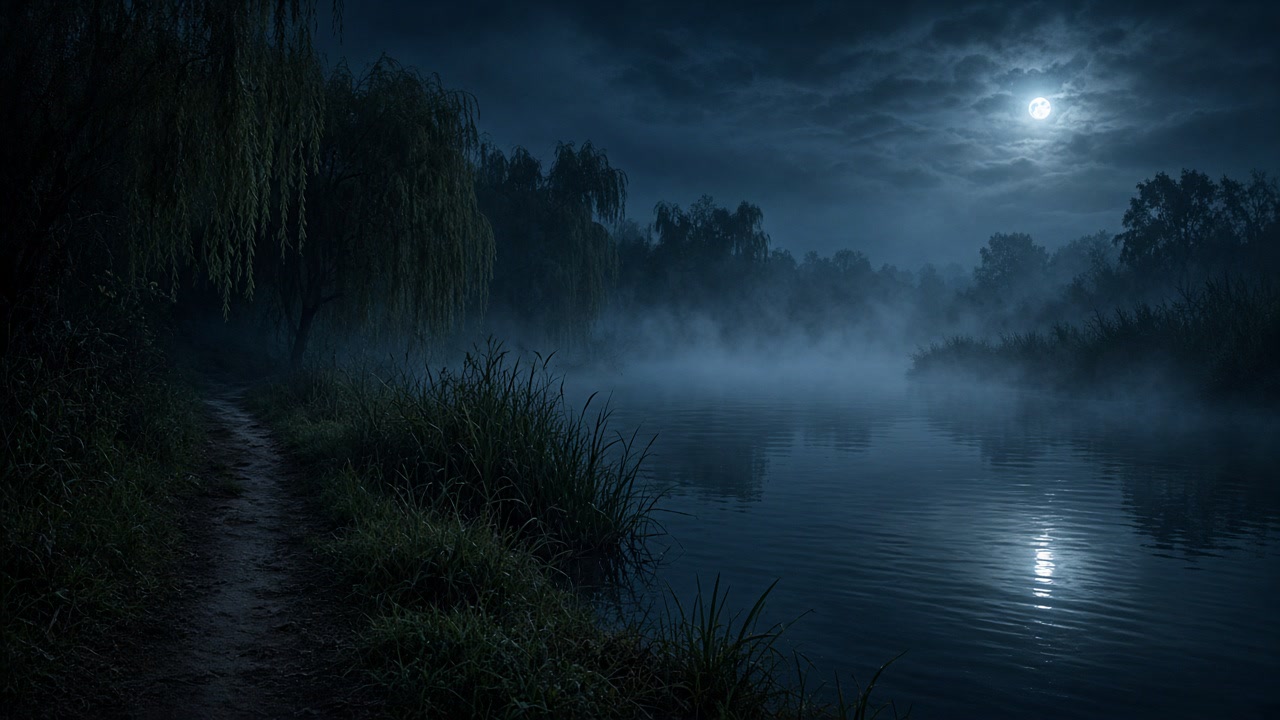
A field report on Latin America’s most enduring ghost: the white figure by the river, the cry that stops children cold, and the encounters that keep the legend alive.
This article contains affiliate links; Italian Ghost Hunters may earn a commission if you buy through them.
Some ghosts arrive as rumours attached to a single house. La Llorona arrives as a sound. Across Mexico, Central America and the borderlands of the American Southwest, witnesses describe the same opening: a cry at night, thin and far away at first, then suddenly close, coming from the direction of water. Parents still warn children not to linger by canals and riverbanks after dark. Investigators who work those same banks report hearing their own names called from empty scrub. The weeping woman is not a museum piece. She is still out walking.
The Legend as It Is Told
In Spanish, La Llorona means the weeping woman. The core story, told in kitchens and schoolyards for generations, runs like this. A beautiful woman — sometimes named María in oral versions — falls in love with a man of higher standing. They have children. He abandons her for another life, or for a wife of his own class. In grief and rage she takes the children to the river and drowns them. When the fury lifts, she understands what she has done. She searches the banks in despair, dies by the water or is condemned after death, and is bound forever to wander the waterways crying for the children she cannot find.
Her appearance is remarkably consistent across tellings. A tall figure in a long white dress. Hair black and loose. Face often hidden until the witness is already too close. The cry itself is the signature: a long lament that includes, in countless accounts, the words ¡Ay, mis hijos! — Oh, my children! Some versions say that if she catches a living child she will mistake it for her own and drag it into the water. Others say she appears primarily to unfaithful men, or to anyone foolish enough to answer when she calls their name.
That is the legend as told. What makes it powerful for investigators is not that every teller agrees on every detail — they do not — but that the figure keeps returning to the same places: rivers, irrigation ditches, lake shores, and the edges of towns where water meets night.
Regional Variants
Mexico holds the best-known form, but the weeping woman is not confined to one map. In the valleys of Oaxaca, local spirits with overlapping traits have long been equated with her by residents who report hearing and seeing them near water and lonely roads. Along the Yucatán coast, a related siren-like figure is said to lure the unwary with beauty that becomes something else at close range. Across Central America and parts of South America, similar weeping women keep the same essentials: white clothing, long dark hair, water, and a grief that never ends. The names change. The cry does not.
In the United States Southwest the legend adapted to the landscape it found. Along the Rio Grande and the irrigation ditches of New Mexico and neighbouring states, children grow up hearing that La Llorona waits by the water after sunset. In Albuquerque she has also been called the Ditch Witch — a local renaming with the same purpose: keep young people away from fast water when nobody is watching. Folklorists there have recorded family after family describing the same childhood rule, and adults who swear they heard the wail on windy nights when the river was high. A ghost that can move from Lake Texcoco’s ancient shore to a concrete ditch beside a modern suburb is still doing work in the living world.
Historical and Cultural Roots
The weeping woman did not appear from nowhere in the colonial centuries. Pre-Hispanic tradition already carried omens of a woman who wept by the water. Early accounts of the portents said to have preceded the Spanish conquest of Mexico describe a female figure associated with the Aztec earth-and-mother goddess Cihuacóatl, rising from Lake Texcoco with a lament for her children — a warning of upheaval and of women and families who would be torn from their place. That layer is older than the colonial morality tale, and it is why so many scholars speak of syncretism rather than simple invention: an Indigenous omen of maternal grief fused, over time, with later stories of betrayal, abandonment and punishment.
During the colonial period the story took on the shape most people now recognise. An Indigenous woman. Children with a Spanish man. Abandonment. The drowning. Eternal wandering. In that form she became a warning about sin, fidelity and the dangers waiting outside the lit doorway. Later generations have also read her as a figure of colonial violence and the losses forced on Indigenous women. Both readings can sit inside the same cry. What investigators should hold onto is simpler: the legend has a pre-Hispanic root, a colonial flowering, and a continuous oral life that never stopped.
How Belief Shaped Behaviour and Places
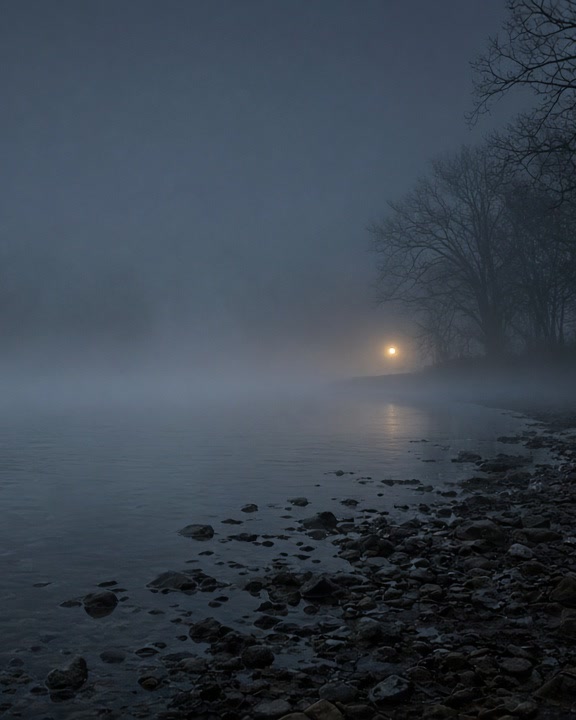
Belief in La Llorona has never been only entertainment. It has shaped how people move through real geography.
Children in river towns learn a practical rule dressed as a ghost story: do not play by the water after dark. Irrigation canals are genuinely dangerous — steep sides, cold current, little chance of climbing out alone — and the weeping woman is the voice parents use when “be careful” is not enough. That is how folklore becomes field condition.
Certain places have become strongly associated with her. The canals of Xochimilco in Mexico City are among the most famous; tradition holds that her wail can still be heard there, and each year during Day of the Dead a theatrical reenactment is performed along those waterways. In 2013 the legend was declared an Intangible Cultural Heritage of Mexico City — recognition that this is living cultural memory, not a disposable ghost story. Places where a ghost is publicly claimed year after year are places where witnesses keep reporting, and where the sound of water at night already carries a name.
Modern Sightings as Real Encounters
The accounts that matter most for field work are the ones told as personal encounter: a cry heard from a specific bank, a white shape at a known bend of the river, a feeling of being followed along a ditch path with no second set of footprints in the mud.
Witnesses along the Rio Grande corridor and Mexican waterways describe a pattern that has held for decades. The sound comes first — a woman weeping, sometimes clearly saying she is looking for her children. It seems to move. People who walk toward it find nothing, or find the sound suddenly behind them. Visual reports speak of a woman in white at the water’s edge who vanishes when approached, or who turns and shows a face the witness cannot afterwards describe without going quiet. Some encounters involve a call by name from the dark. The people who answer that call are the ones who come back most shaken.
Folklorists working in New Mexico and elsewhere have collected these testimonies from adults who first heard the cry as children living beside ditches, and from later generations who still place the same figure on the same stretches of water. That is not proof in the laboratory sense. It is continuous testimony from people who had no product to sell and every reason to keep quiet. Folklore is how communities store encounters that would otherwise be lost. The question is why so many people, across centuries and borders, keep reporting the same cry from the same kind of place.
Why the Story Endures
La Llorona endures because she fits the land she haunts. Water is beautiful and lethal. Night erases distance. Grief is a sound everyone already knows how to recognise. A white figure at the river’s edge needs no special effects to freeze a witness in place.
She also endures because she is unfinished. In every version she is still searching. The children are never found. The river never gives them back. That open ending is what keeps her walking, and it is what keeps listeners leaning in. Closed stories get filed away. Open ones get told again the next time someone hears weeping where no one should be.
She is also a reminder that the strongest legends are not European castle ghosts alone. The Americas carry spirits every bit as persistent, tied to conquest, motherhood, water and the thin edge between a warning and a presence. If you work near rivers or canals where her name is known, log ambient sound on arrival, note wind and water noise, and if you hear a woman crying for her children in the dark, do not answer until you are certain the voice has a living throat.
The file on La Llorona has never closed. Along the water, on the right kind of night, it still sounds as if someone is writing the next page.
If the cry by the river has you thinking about turning legends like this into your own ghost mystery novel, Ghost Mystery Writer is a downloadable library of 456 prompts for writing complete ghost mystery novels with a free AI chat assistant, built for people who self-publish on Amazon.
Leave a Reply