
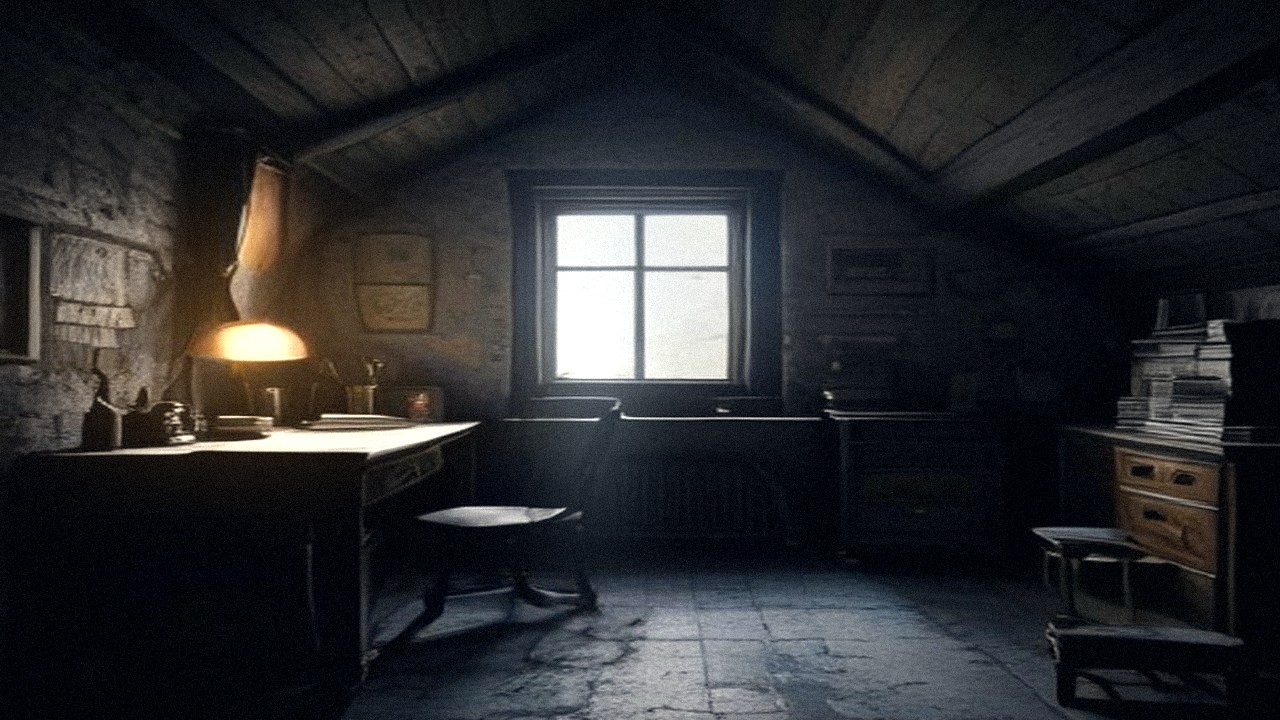
The house is the oldest character in your book. Here is how to give it a floor plan, a history, a set of rules and a memory of its own, plus a prompt library that helps you build the whole novel.
This article contains affiliate links; Italian Ghost Hunters may earn a commission if you buy through them.
Anyone who has spent a night investigating an old building knows the moment. The equipment is set up, the team has gone quiet, and the house starts to make itself heard. A board settles on the landing. A draught moves along a corridor where every window is shut. Somewhere above you a door you checked an hour ago is now standing open. In that moment the building stops being a location and becomes a presence.
That is exactly what a haunted house novel has to capture on the page. Plenty of ghost stories have a frightening apparition and a tragic backstory, and still fall flat, because the house itself never comes alive. Readers walk through it like a stage set. In the best books in this genre, the reader learns the house the way an investigator does: room by room, sound by sound, until they could find the cold spot on the stairs in the dark.
In our earlier field guide on how to write a ghost mystery novel we looked at rules for the haunting, fair clues and the story bible. This time we go inside the walls. If you have ever wondered how to write a haunted house story that stays with readers, this is where it starts: here is how to build a haunted house setting that feels real, and how to keep it consistent from the first night to the last chapter.
Why the House Is the Real Main Character
In a haunted house novel, the building does three jobs at once. It is the setting, the place where everything happens. It is the archive, holding the evidence of what happened before. And it is the antagonist, or at least the stage on which the dead press against the living. If you treat it only as the first of those, you lose the other two.
A useful exercise is to describe your house as if it were a person in your cast register. How old is it? What has it seen? What does it hide, and what does it want the newcomers to find? Who built it, who suffered in it, who left and never came back? When the house has a biography, every scene set inside it carries weight, because the reader senses there is more behind each wall than the characters can see.
This is also where real cases are so instructive. The places investigators keep returning to, from a Victorian rectory on the Essex border to a buried street beneath an old city, are remembered as much for their architecture as for their ghosts. Read our case file on Borley Rectory and notice how much of the legend is tied to specific rooms, windows and paths. The haunting and the building cannot be separated. That is the effect you want.
Map Your Haunted House Setting: Draw the Floor Plan Before You Write
Before chapter one, draw the house. It does not have to be pretty. A rough sketch on squared paper is enough, one sheet per floor, with doors, windows, stairs and the direction each room faces. Mark the cellar, the attic, the servants’ passages if there are any, and every place a person could hide or be trapped.
The floor plan saves you from the most common mistake in the genre: rooms that move. A character runs from the library to the kitchen in two lines in chapter four, and it takes three pages in chapter twenty. The east bedroom gets morning light, until the plot needs it to face the sunset. Readers notice, even if they cannot say why the house stopped feeling solid.
The plan also generates story. Once you can see the layout, questions appear on their own. Why is there a door on the second floor that opens onto a blank wall? Why does the back staircase stop at a landing that leads nowhere? Why was one room bricked up and plastered over? Every oddity on the plan is a possible clue, and in a haunted house novel the architecture should be part of the mystery.
Layer the History Like an Archive
A believable haunted house has layers. It was built for one family, changed by the next, perhaps divided, abandoned, repaired, sold. Each period leaves marks: a blocked fireplace, a newer wing in different stone, wallpaper peeling back to reveal an older pattern underneath, initials scratched into a window pane.
Decide those layers in advance and write them down as a timeline. Then let your lead character uncover them in the order an investigator would: first what the house shows on the surface, then what the neighbours say, then what the records hold. Parish registers, old newspaper notices, letters found in a drawer, a diary tucked behind a loose board. Each discovery should change how the reader understands one room or one sound. Our case file on Epworth Rectory shows how much of a house’s haunted history can survive in family letters alone.
This is where fiction and field work meet. Real investigators spend as much time in archives as in dark corridors, because a reported phenomenon gains meaning when it matches something that happened in that exact spot. Give your characters the same discipline. The footsteps in the attic become terrifying when the reader learns who used to sleep up there, and why that person never came down.
Give Every Room a Sense
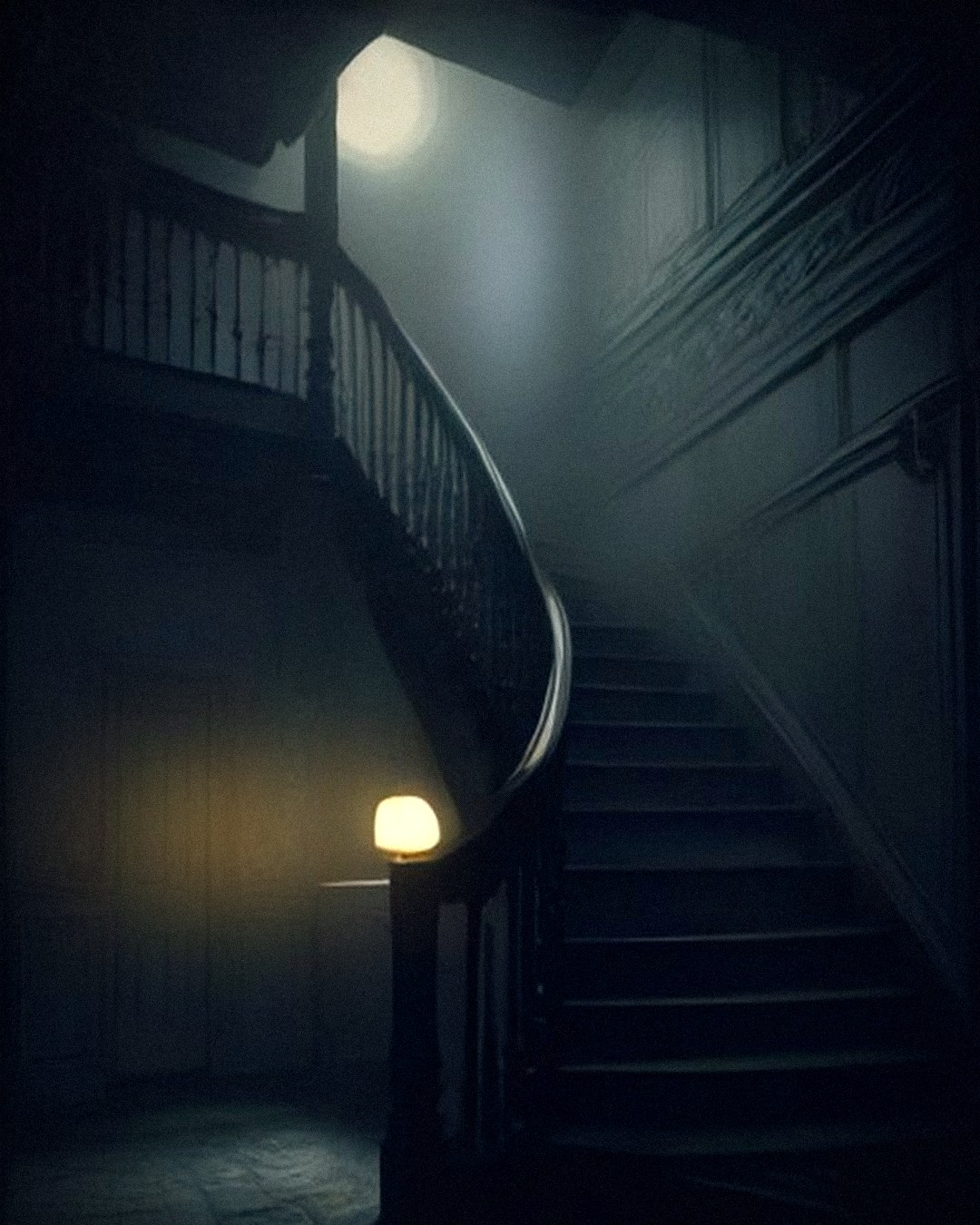
Atmosphere lives in the senses, and sight is the weakest of them in the dark. Assign each important room at least one sensory signature that belongs to it alone. The nursery smells faintly of lavender long after anyone kept flowers there. The study is always a few degrees colder than the hall. The cellar steps give back a hollow note on the seventh tread. The drawing room clock has been stopped for decades, yet sometimes the reader hears it tick.
Signatures do two things. They make the house physical, so the reader can almost feel the change in the air when a character crosses a threshold. And they become a language the haunting can use. If the lavender drifts into the kitchen one night, the reader knows something has left the nursery. You have built an alarm system into the walls without a single line of explanation.
Sound deserves special care, because it is so often the first thing witnesses report in real cases: knocking, footsteps, voices with no source, a name called from another floor. Decide which sounds are the house settling and which are something else, and keep that distinction consistent. The reader should learn, as your lead does, to tell the difference.
Tie the Haunting to the House’s Rules
The haunting should obey the building. Perhaps the presence can only move through the oldest part of the house, the rooms that stood before the new wing was added. Perhaps it is strongest where the original family slept, or it gathers at the threshold of a room where something was never finished. Perhaps it cannot cross running water, or a line of salt, or a doorway that a living person holds open.
Write these rules into your story bible next to the floor plan, so that every manifestation has a location and a reason. When the activity shifts, from one corridor to another, from knocks to footsteps, from night to broad daylight, it should be because something in the story has changed: a door unsealed, an object moved, a secret spoken aloud. Escalation that follows the house’s own logic feels inevitable. Escalation that simply happens because the plot needs a scare feels cheap.
Buried and enclosed places show how powerful this can be. In our piece on Mary King’s Close, the reports are bound to narrow passages, low rooms and a street that was sealed beneath the city. Your fictional house can have the same quality: the deeper the characters go into it, physically and historically, the closer they come to the dead.
Let the Living Change the House
A haunted house novel is not only about what the house does to the living. It is also about what the living do to the house. New owners strip the wallpaper, pull up floorboards, open a sealed room, clear the garden, move a portrait from the landing to the attic. Each change disturbs something.
This gives you a natural engine for the plot. A renovation is a ready-made investigation, because every wall that comes down might reveal something. A sale, an inheritance or an eviction gives the characters a deadline. A family moving in brings children, who notice what adults dismiss, and relatives who remember stories nobody wants to repeat. Let each act of change provoke a response from the house, and the reader will feel that the building is reacting, listening and remembering.
A Shortcut for Building the Whole Book: Ghost Mystery Writer
Floor plans, timelines, sensory signatures, haunting rules, clue lists: it is a lot to hold together, and this is the stage where many would-be novelists stall. If you want a structured path, Ghost Mystery Writer prompt library is worth a look. It is a downloadable library of 456 prompts for writing complete ghost mystery novels with a free AI chat assistant, built for people who want to self-publish on Amazon.
Each prompt starts with a premise already set: a lead character with a job, a place, a decade and a specific haunting. From there it follows a five-phase build order. First a concept sheet. Then a story bible covering the setting, fixed rules for the haunting, a cast register, and the planted clues and red herrings, which is exactly where the house work described above belongs. Then a pen name and author persona. Then the novel itself, written as 40 chapters of about 1,000 to 1,125 words each, or as a 20-chapter novella. Finally, publish-ready listing assets: a blurb, keywords, categories and a cover brief.
It is a single HTML file that opens in your browser and works offline, with no install, no login and no subscription. It also includes guides on how to use it, on publishing on Amazon, and on covers and formatting. It gives you structure and a starting point; the house, the dread and the late-night rewrites are still yours.
A Field Checklist for Your Haunted House
Before you start drafting, run your setting through the same checks an investigator would run on a real location:
- The plan: every floor sketched, with doors, stairs, windows and the direction each room faces.
- The timeline: who built the house, who changed it, and what happened in each period.
- The records: which documents your lead will find, where they are hidden, and what each one reveals.
- The signatures: one sense that belongs to each key room, and what it means when it moves.
- The rules: where the presence can go, when it is strongest, and what it cannot do.
- The changes: which acts of the living disturb the house, and how the house answers.
- The last room: the place your lead must finally enter, and why it has been kept for the end.
Leave One Room Unexplored
The most memorable haunted houses in fiction never give up all their secrets. The crime is solved, the letters are read, the family’s shame comes out into daylight, and still the reader closes the book knowing there is one door in that house nobody opened. A sound from the attic that was never accounted for. A cold patch on the landing that did not go away when the truth came out.
That is how the real places feel. Investigators can map every room, log every reading and interview every witness, and still drive away with a question that will not settle. Build your house with that honesty. Make it solid enough to walk through in the dark, faithful enough to its own rules that the reader trusts it, and deep enough that some of its rooms stay locked, waiting for whoever comes next.
Leave a Reply